Samurai Kyushu Part 1
Where past and Present Meet
Honor, loyalty, sincerity, and combat skills are just some of the samurai's moral values. The period between 1185 and 1868 is generally referred to as the “Age of the Samurai." Even after this age, samurai teachings continued to be present in Japan's everyday life and are still alive to this day. Along with a cultural heritage, the samurai age also left physical traces and historic remains that can be found throughout Japan. The island of Kyushu, remote and far from the capital, hosted a large number of samurai in its time. Here visitors will find castles and beautifully preserved samurai residences, along with signs of the samurai culture being used in everyday life.
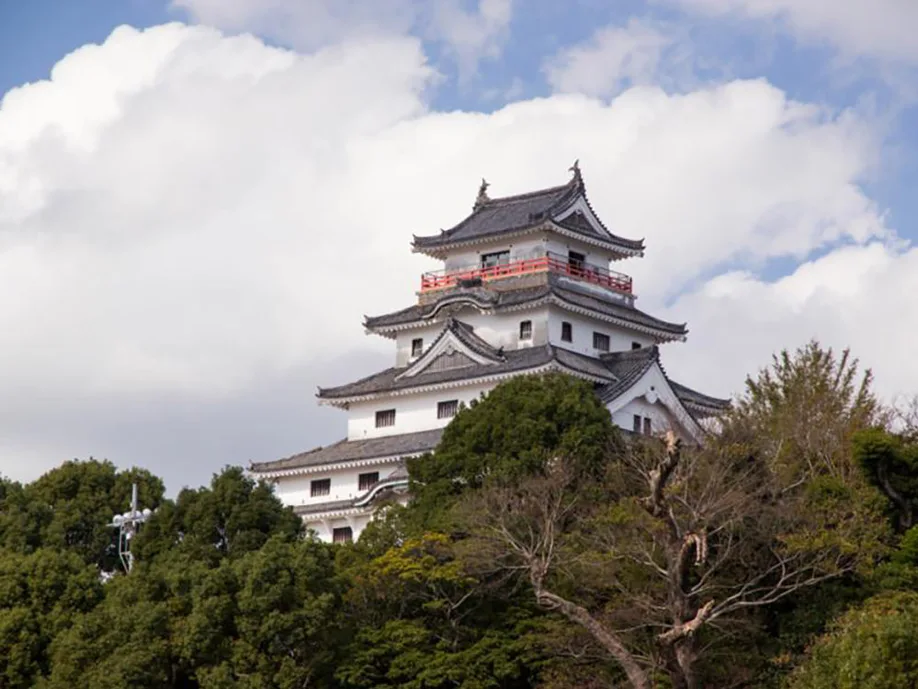
The age of feudal lords left numerous castles in the lands of Kyushu. Even if some were destroyed after the Meiji Restoration, some have been preserved or rebuilt and can be visited to this day. Climbing up to the castle tower and looking down at the city is a touching experience, as it makes us think back to an age when powerful lords used to rule over these lands, aided by their military force, the samurai.
Japanese people are very attached to their history and they strive to preserve it. So much so that they might dress up as feudal lords and legendary characters to teach visitors about their history!
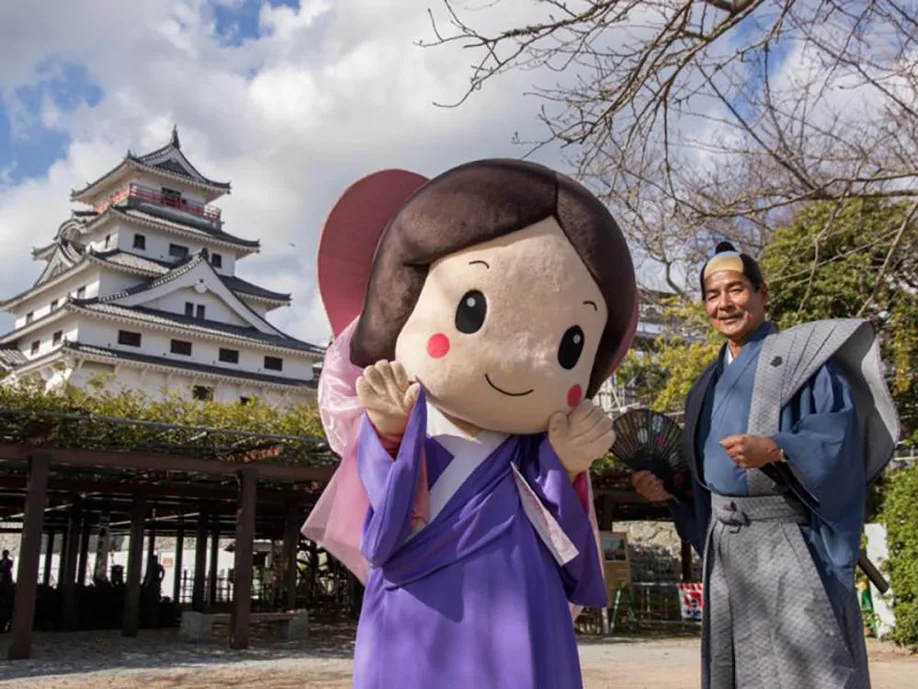
In the picture: Karatsu Castle with Sayohime-chan, a local mascot character and Karatsu Castle's tourism director dressed as a feudal lord.
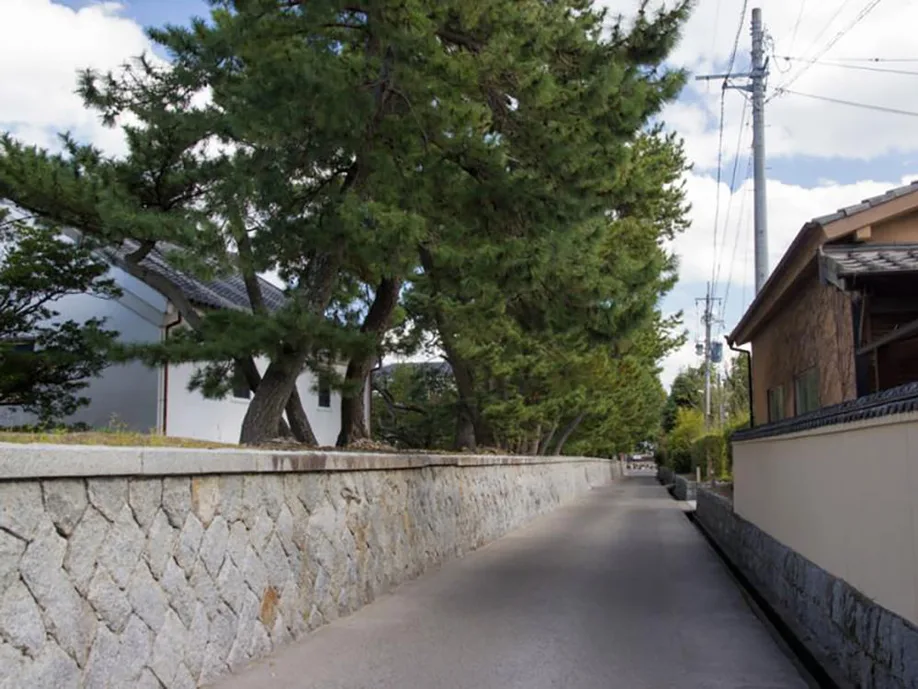
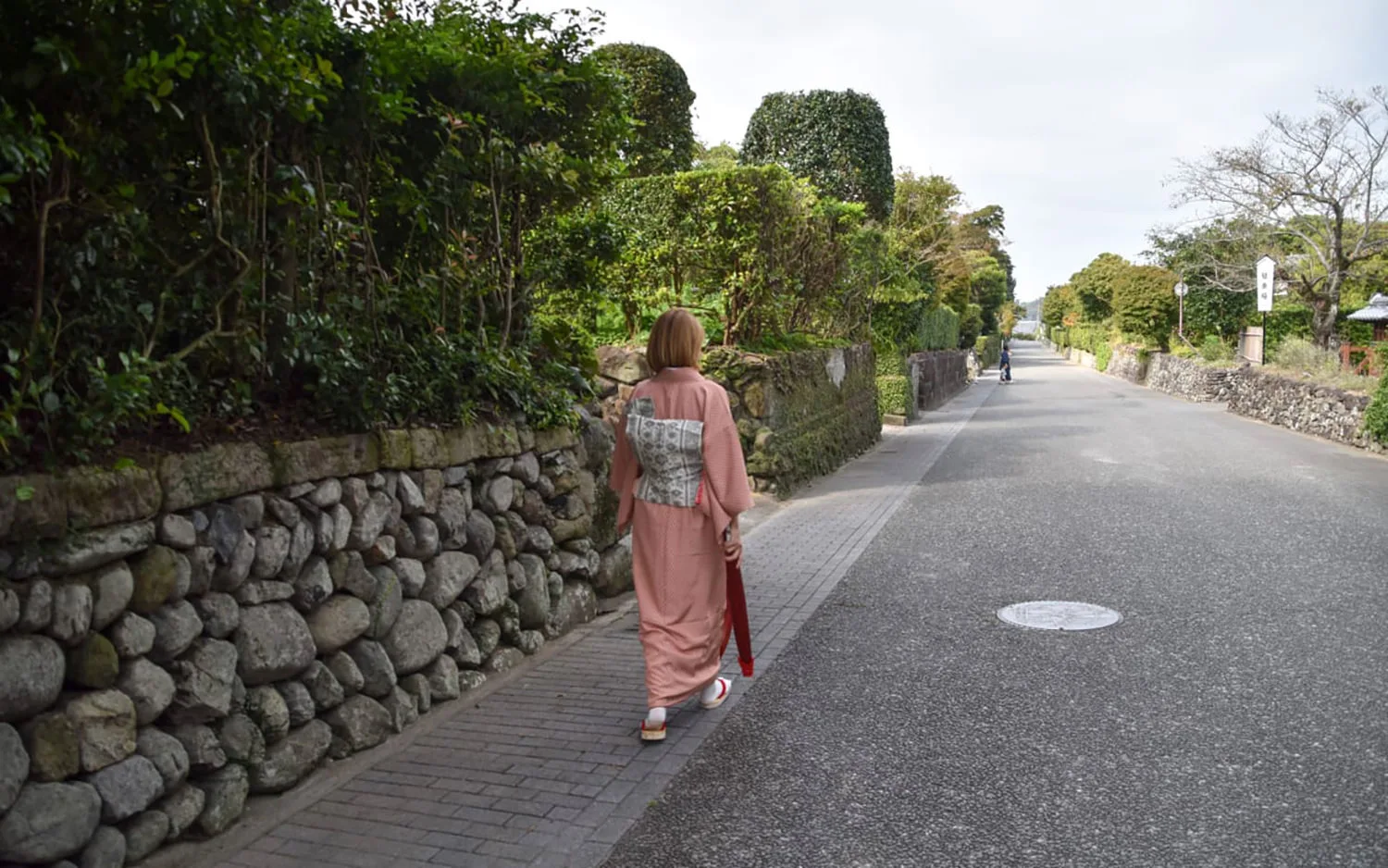
From Karatsu Castle, you can walk along the stone wall promenade for a feel of life in the ancient times. Here is also the former Takatori Residence, the house of a government official who helped Karatsu flourish as a coal producing area.
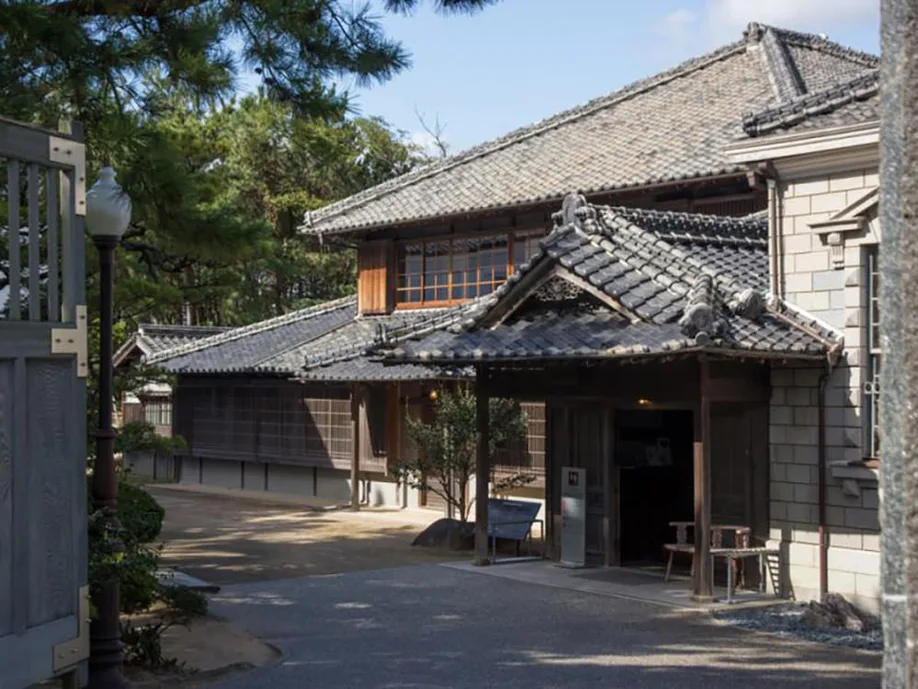
There are many castle towns scattered around Kyushu. These include Hirado in Nagasaki Prefecture, Kitsuki in Oita Prefecture and Kumamoto in Kumamoto Prefecture. Kitsuki is famous for its beautiful samurai districts, while the Kumamoto castle is the third largest in Japan.
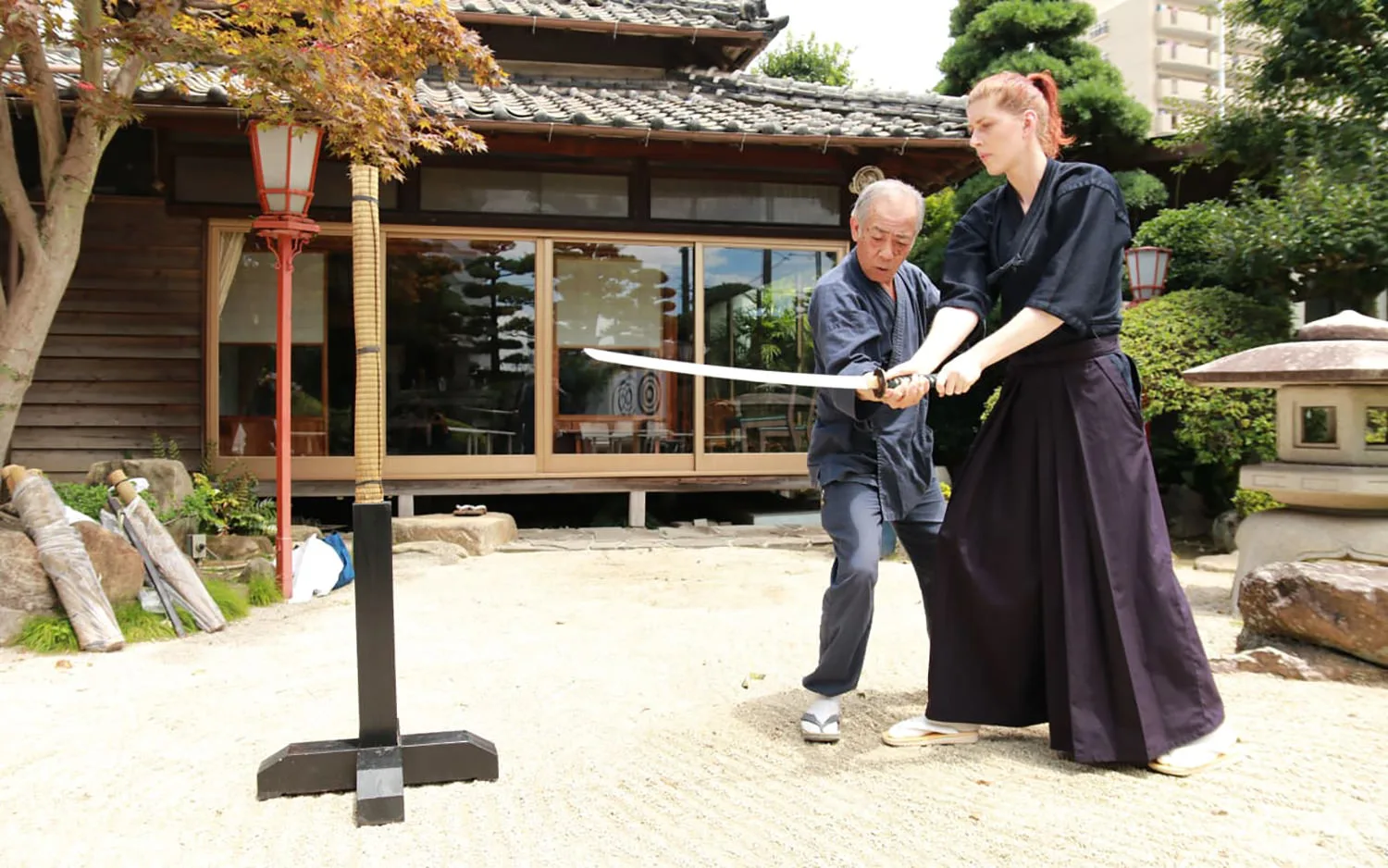
Kendo is a Japanese martial art practiced all over the world. It originated from kenjutsu, which is the swordsmanship techniques developed by samurai of feudal Japan. An ancient practice has evolved to become a “way" still followed by people in modern times.
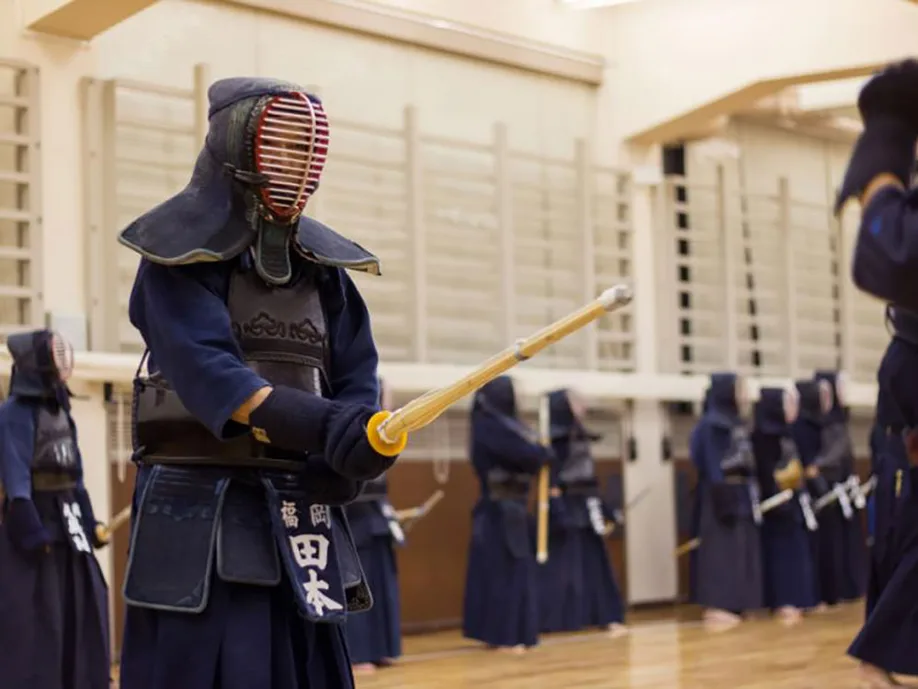
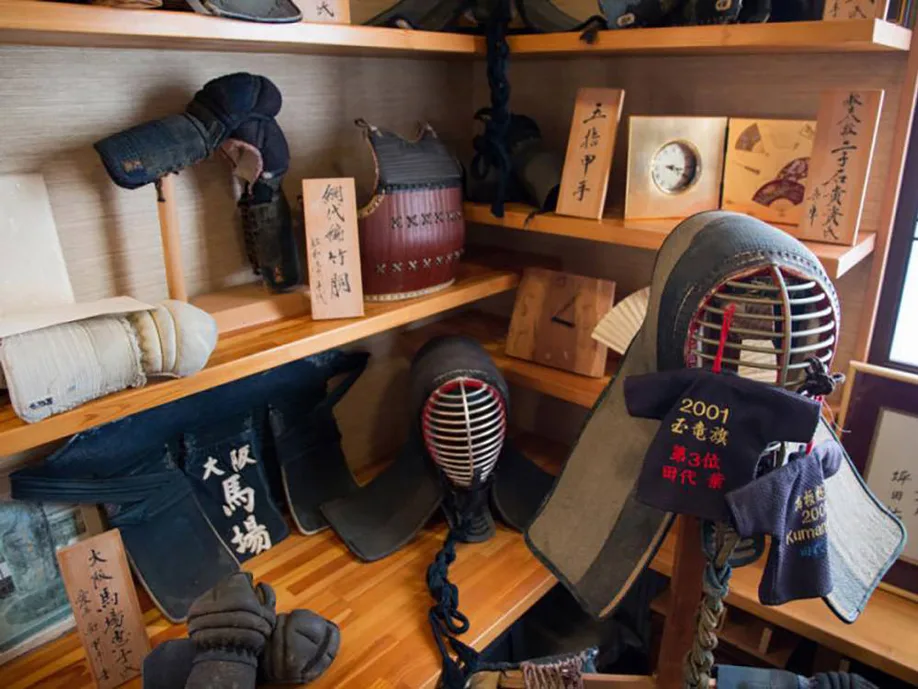
On the outskirts of Karatsu city, near Kyuragi Station, is Ten-pu-do, a budogu equipment shop. The shop owner, Junichi Tashiro, makes kendo armors and other martial arts supplies. If you're interested in kendo and martial arts, a trip to his store will reveal to be very interesting. Mr. Tashiro is someone with whom you can talk about samurai, Japanese martial arts and their use in bettering our daily life. Look for the samurai armor in the front window.
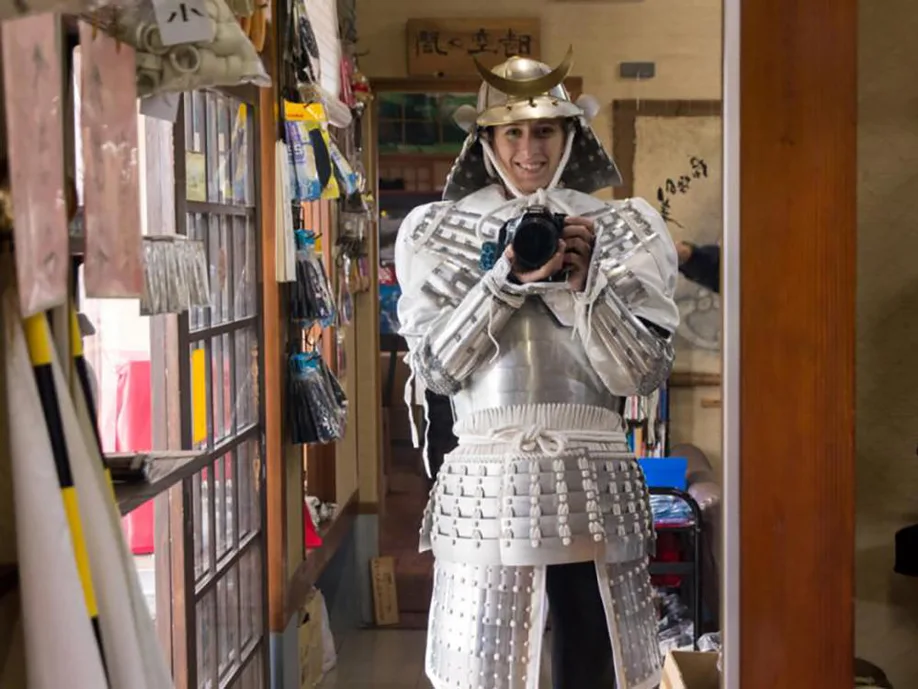
Mr. Tashiro believes that “kendo teaches some important elements which are used in our everyday life." He is happy to host fellow kendoka at his house for up to three days and help them in their practice. His shop also has a gallery called the Chamber of Time and Space, where he exhibits tools and material that are used to make kendo armor and shinai training swords.
Many traces of samurai can be found in Kyushu, both in ruins from the past and in people's hearts from the present. In the second part of this article we will dig deeper into samurai traditions and visit Omuta city, where you can experience the art of sword making and learn how to use an actual katana.











![[FC test] The Legacy of Miyamoto Musashi in Kyushu](https://kto-media-prod.s3.ap-northeast-1.amazonaws.com/media/5z5jZQS8SRtO7EroAQdKcr__スクリーンショット_2024-08-21_11.55.28.webp)